
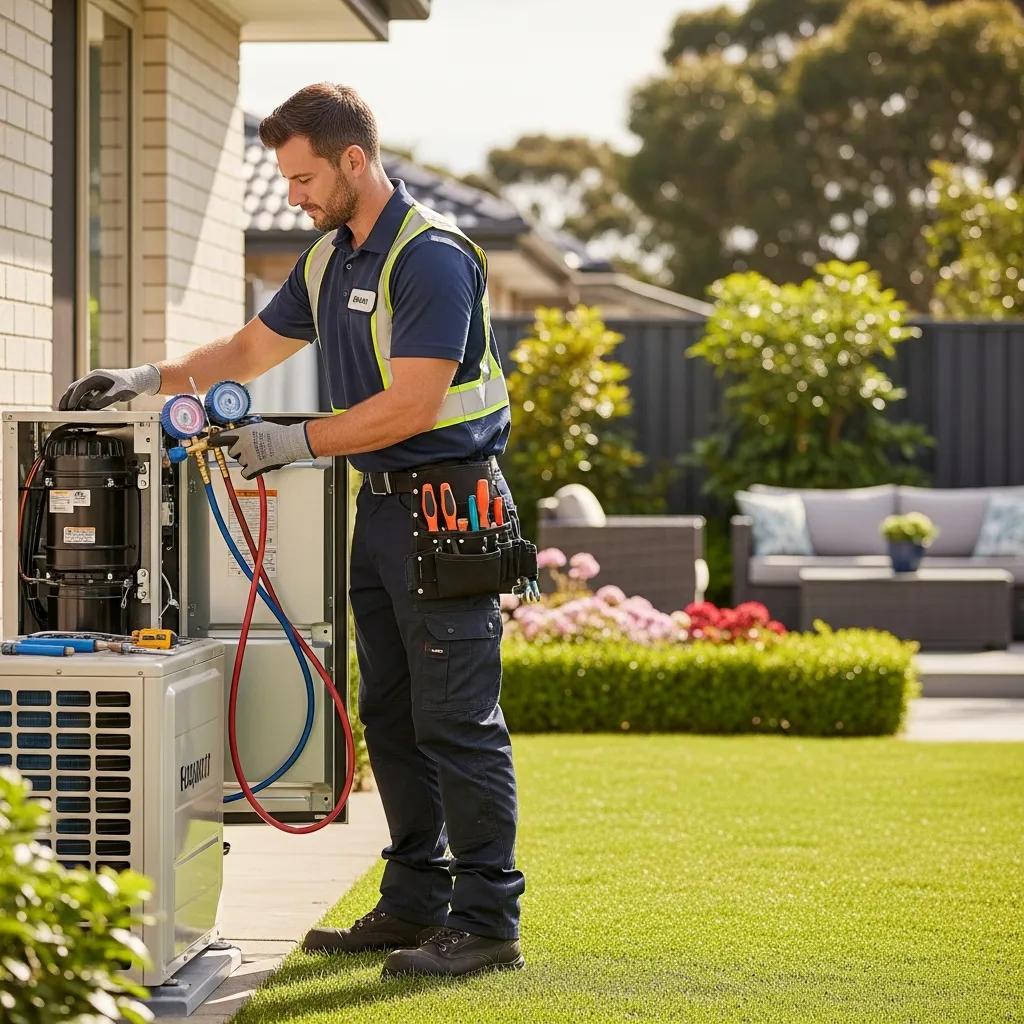
Understanding HVAC‑R service costs in Pembroke Pines means knowing what common fees cover, what technical factors are changing prices in 2025, and how local homeowners and businesses can plan for repairs, installations, and emergencies. This guide clearly defines typical HVAC‑R costs—diagnostics, minor and major repairs, new AC installation by tonnage, ductwork, commercial refrigeration, and indoor air quality options—and explains how regulatory shifts like SEER2 and refrigerant transitions affect pricing. You’ll find local average ranges, the main cost drivers (labor, parts, refrigerant), practical savings tactics such as maintenance plans and financing, and what to expect from emergency response. The article links costs to real decision points for both residential and commercial customers and offers actionable steps to lower lifecycle expenses while keeping systems comfortable and compliant. Each H2 section includes concise cost ranges, comparison tables for clarity, and targeted tips tuned to Pembroke Pines conditions.
What Are the Average HVAC R Service Costs in Pembroke Pines for 2025?
Average HVAC‑R costs in Pembroke Pines for 2025 depend on the service type and system complexity—diagnostics and small repairs sit at the low end, while full replacements are the biggest expenses. A diagnostic visit usually starts the process by identifying whether a simple parts swap or a major component replacement is needed; diagnostics reveal failing parts like capacitors, compressors, or refrigerant lines, which then determine repair pricing. New equipment and retrofits required for SEER2 compliance and the move toward R‑454B-compatible systems raise upfront installation costs but can lower operating expenses over time. Local labor rates, permit requirements, and parts lead times also affect final quotes for residential and commercial jobs, so expect a range rather than a single fixed price until we perform an on-site evaluation.
This table summarizes typical local price ranges and the main variables that move each line item.
| Service | Typical Price Range | Notes / What Affects Price |
|---|---|---|
| Diagnostic visit | $75–$200 | Complexity of the issue, emergency call-out, and whether the fee is credited to repair |
| Minor repairs (capacitor, contactor, fan motor) | $150–$600 | Part cost, technician time, and how accessible the system is |
| Major repairs (compressor replacement) | $1,000–$3,500+ | System age, refrigerant type, and equipment compatibility |
| New AC installation (per ton, SEER2 models) | $2,000–$4,500 per ton | Efficiency level, ductwork condition, permits, and brand choice |
| Ductwork repair/partial replacement | $500–$3,000 | Extent of damage, materials, and access to ducts |
| Maintenance plans (annual tune-up) | $100–$400 per year | Scope of services, priority scheduling, and any bundled discounts |
| Emergency call-out surcharge | $75–$250 additional | After-hours dispatch and weekend or holiday rates |
In short: diagnostics are an economical first step to guide decisions, while installations and compressor replacements drive the largest costs for 2025 Pembroke Pines projects.
How Much Do AC Repair and Diagnostic Services Cost?
A diagnostic visit lays out the repair path by testing electrical, refrigerant, and airflow systems to find the root cause. Diagnostic fees locally are typically modest and often credited toward the repair if you choose to proceed—helpful for keeping out-of-pocket costs down. Minor repairs (capacitor, contactor, fan motor) are mid-range jobs driven by parts and labor. Major repairs—compressor replacements or full refrigerant-system overhauls—move into the higher bracket because of expensive parts and possible retrofits. System age, refrigerant compatibility, and site access (roof units, tight crawlspaces) increase labor time and cost, so a clear diagnosis is the fastest way to estimate total expense and decide between repair or replacement.
What Are the Typical Prices for New AC Installation and Ductwork?
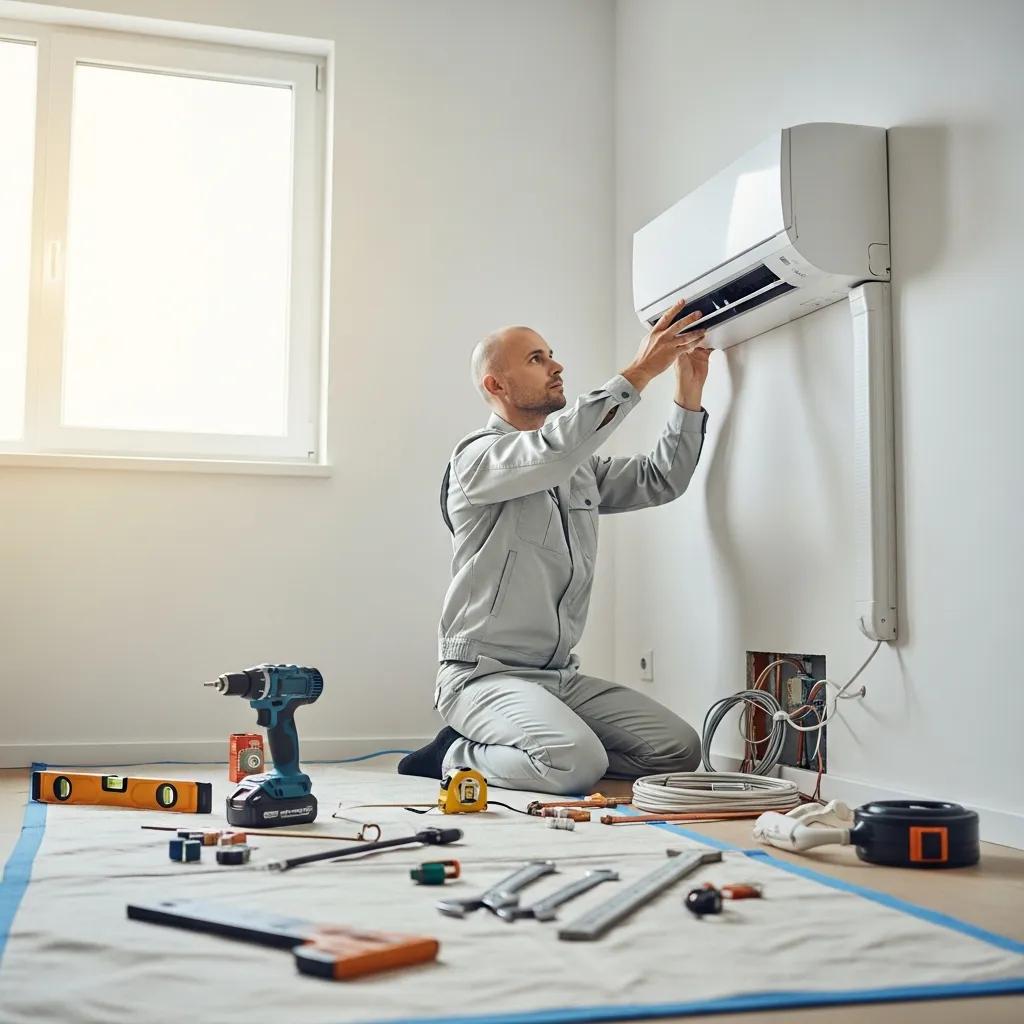
New AC installation costs scale by tonnage and the SEER2 efficiency level you choose—higher SEER2 units cost more up front but save on energy bills and may qualify for rebates. Install estimates usually quote per‑ton ranges that include the equipment, standard installation labor, refrigerant charge, and startup; extra charges apply for nonstandard ductwork, structural access, or permits. Duct replacement or major modifications are separate line items and vary with materials, system balancing, and whether ducts need sealing or insulation. Local permit fees and labor conditions in Pembroke Pines affect final quotes. A reputable installer will provide an itemized estimate showing equipment, labor, permits, and any SEER2-related recommendations. Investing more initially in efficient, compliant equipment often reduces operating costs and improves comfort over the system’s life.
Which Factors Influence HVAC R Service Prices in Pembroke Pines?
Several technical and local-market factors combine to set HVAC‑R prices—knowing them helps you read quotes and make smart choices. System attributes like tonnage, SEER2 rating, and refrigerant type directly affect equipment and retrofit costs: larger systems and higher‑efficiency models need more materials and specialist labor. External variables—labor rates, emergency surcharges, parts lead times, and permits—also add variability; supply-chain delays for certain compressors or R‑454B parts can raise costs and downtime. Seasonal demand in South Florida can drive scheduling pressures and higher prices during peak cooling months, while experienced technicians complete diagnostics faster and reduce costly rework. Below is a quick mapping of main factors and their local impact.
| Factor | How It Affects Price | Local Example/Impact |
|---|---|---|
| System size (tonnage) | Larger systems cost more to install and repair | 3–5 ton residential units require more labor and parts than 1–2 ton |
| SEER2 rating | Higher-efficiency units cost more up front but lower operating costs | Upgrading to SEER2 may increase equipment cost while reducing monthly bills |
| Refrigerant type | Switching to R‑454B can require component changes | Older R‑410A systems may need retrofits for the new refrigerant |
| Labor rates & certifications | Certified technicians command higher hourly rates | State-certified contractors affect the labor portion of quotes |
| Parts availability | Scarcity raises price and lead time | Hard-to-find compressors increase emergency repair costs |
How Do System Size, SEER2 Ratings, and Refrigerant Types Affect Costs?
System size determines parts and time: larger tonnage needs bigger condensers, coils, and more refrigerant, which raises parts and labor costs. SEER2 rules have lifted baseline equipment standards for 2025 installs, so newer high‑SEER2 units usually cost more at purchase but save in operating expense. The refrigerant transition—from R‑410A to lower‑GWP options like R‑454B—can create compatibility and retrofit costs when compressors or heat exchangers must be changed; those costs factor into repair vs. replace decisions. Comparing an older 13 SEER R‑410A 3‑ton unit to a new 16+ SEER2 3‑ton shows higher up‑front cost for the newer system but noticeably lower running costs over time. These trade‑offs help you evaluate quotes with long‑term value in mind.
What Role Do Labor, Emergency Services, and Parts Availability Play?
Labor is a big piece of the bill: certified HVAC‑R techs perform diagnostic testing, safety checks, and complex repairs that require specialized tools and training. Emergency service surcharges (after‑hours, weekends, holidays) raise call‑out costs because of overtime and rapid response logistics. Parts availability affects both price and downtime—scarce compressors, control boards, or R‑454B components can carry premiums and longer lead times, sometimes forcing expedited shipping or temporary workarounds. Local market dynamics in Pembroke Pines—certification rules and vendor networks—determine how quickly a job is completed and at what cost. Knowing these factors helps you decide whether to authorize emergency repairs or schedule non‑urgent work during business hours.
How Can Residential and Commercial Customers Save on HVAC R Services?
You can lower HVAC‑R lifecycle costs with preventive maintenance, targeted upgrades, and sensible financing to avoid expensive emergencies and boost long‑term efficiency. Regular maintenance keeps systems running as designed, reduces breakdowns, and helps maintain SEER2 performance; tune‑ups catch refrigerant leaks and failing components early, which keeps repair complexity—and cost—down. Efficiency upgrades—duct sealing, smart thermostats, and higher‑SEER2 equipment—create measurable savings that often offset higher initial costs across the equipment lifetime. Financing spreads capital expense so you can choose more efficient installs without a large cash outlay; maintenance contracts smooth annual expenses and offer priority service. Practical, high‑impact strategies for Pembroke Pines property owners include:
- Enroll in an annual maintenance plan: Regular inspections and tune‑ups reduce breakdown risk and keep efficiency high.
- Prioritize targeted efficiency upgrades: Duct sealing, programmable thermostats, and higher‑SEER2 units lower operating costs.
- Use financing for major replacements: Monthly payments let you choose better equipment without a large upfront sum.
- Schedule non‑emergency repairs in off‑peak months: Avoid peak season to improve scheduling and potentially reduce labor costs.
What Are the Benefits of Regular HVAC Maintenance Plans in Pembroke Pines?
A maintenance plan generally includes seasonal tune‑ups, safety checks, filter and condensate drain inspections, and priority scheduling—all designed to extend equipment life and preserve rated efficiency. Preventive care stops small problems from becoming expensive compressor failures or refrigerant leaks and helps keep energy use in check. Membership perks often include parts and labor discounts, waived fees for certain services, and faster dispatch during peak cooling demand—an important benefit for commercial customers. In many cases, avoiding a single major compressor replacement can justify several years of routine maintenance. Regular servicing also documents system condition, which helps with warranty claims and replacement planning.
How Does Financing New Installations Help Manage Costs?
Financing lets property owners choose higher‑efficiency, SEER2‑compliant equipment without paying the full cost up front, allowing energy savings and rebates to offset monthly payments. Typical financing plans offer fixed monthly payments over multi‑year terms; while interest raises total paid, the improved cash flow often makes premium equipment accessible. Financing is especially helpful for commercial owners with multiple units or restaurants facing refrigeration downtime—spreading cost preserves working capital and can be bundled with maintenance contracts for predictable budgeting. Frascona HVAC‑R offers financing options and can walk you through available plans and qualification criteria so you can compare paying cash versus financing. The right choice depends on interest rates, tax considerations, and projected energy savings versus financed cost.
What Are the Costs for Emergency HVAC R Services in Pembroke Pines and South Florida?

Emergency HVAC‑R costs reflect after‑hours labor, expedited parts sourcing, and the urgency of restoring cooling or refrigeration for safety and business continuity. Typical emergency outlays include a dispatch and diagnostic fee plus an after‑hours surcharge; total emergency repairs can range from the low hundreds for quick fixes to several thousand dollars when major components or same‑day parts are needed. Local response times depend on provider capacity and demand spikes—during peak heat, windows can widen and prioritized dispatching may carry higher surcharges. Weigh immediate risks—food spoilage in commercial refrigeration or health‑critical cooling failures—against scheduling a regular service appointment when deciding to call emergency service.
| Emergency Component | Typical Additional Cost | Common Scenario / Impact |
|---|---|---|
| After-hours surcharge | $75–$250 | Nights, weekends, or holiday dispatch |
| Expedited parts fee | Variable | Same‑day compressor or control board shipment |
| Emergency diagnostic & repair | $200–$2,000+ | Refrigerant leaks, system failure, or walk‑in cooler repairs |
How Much Do Emergency AC Repairs Typically Cost?
Costs depend on severity: a quick restart or a small component swap may run a few hundred dollars including an after‑hours surcharge, while emergency compressor failures or major refrigerant leaks requiring same‑day replacement and evacuation can top several thousand dollars. Commercial refrigeration emergencies carry higher urgency and potential revenue loss, so pricing often includes expedited parts and labor. Diagnostic fees are common for emergency calls but are frequently credited toward the repair when you approve on‑site work, which helps reduce net cost. Knowing the main emergency drivers—after‑hours labor, expedited shipping, and system complexity—helps you budget for contingencies.
What Should Customers Expect Regarding Response Times and Fees?
Emergency response depends on tech availability, location, and current demand. Typical arrival windows for prioritized calls are about 1–4 hours but can lengthen during heatwaves or severe weather. Dispatchers will triage with questions to confirm the emergency level, access details, and location to assign the right crew and communicate expected fees. Ask explicitly about after‑hours surcharges, whether diagnostic fees are credited to repairs, and parts lead times before authorizing work. Preparing the site with clear access, system documentation, and warranty info speeds diagnosis and can reduce on‑site time—and cost.
What Are the Pricing Details for Refrigeration and Indoor Air Quality Services?
Commercial refrigeration and IAQ services have distinct cost drivers. Refrigeration pricing centers on uptime, compressor and evaporator complexity, and refrigerant handling; IAQ investments hinge on equipment type, coverage area, and maintenance needs. Commercial refrigeration repairs vary widely by unit—walk‑in coolers, reach‑ins, and ice machines differ in complexity and downtime cost—so fast diagnosis and parts availability are critical. IAQ choices run from plug‑in purifiers and UV lamps to whole‑building filtration and duct work; costs depend on system size and required MERV ratings. The table below compares system types, typical services, and common lead times to help homeowners and business owners budget.
| System Type | Typical Service / Part | Typical Range / Lead Time |
|---|---|---|
| Walk-in cooler repair | Compressor, evaporator coil repair | $500–$4,000; lead time for parts 1–7 days |
| Ice machine service | Water system, compressor, sanitation | $150–$1,200; common parts readily available |
| IAQ add-ons (UV, filtration) | UV lamp, high-efficiency filter installation | $200–$2,000; filter replacement annually or quarterly |
| Duct cleaning/ sealing | Cleaning, sealing, insulation | $300–$2,500; depends on home or commercial size |
How Much Does Commercial Refrigeration Repair and Maintenance Cost?
Commercial refrigeration pricing reflects system scale, complexity, and the cost of downtime. A simple thermostat or defrost control fix can be inexpensive, while compressor failures on large walk‑in coolers may require costly replacements and refrigerant reclaim procedures. Maintenance contracts for commercial customers generally include scheduled inspections, coil cleaning, refrigerant checks, and priority response—measures that reduce downtime risk and lower emergency frequency. Businesses should compare maintenance plan costs to potential revenue losses from refrigeration outages; for restaurants and grocery stores, the math often favors preventive coverage. Keeping commonly used parts in stock and strong vendor relationships in South Florida also shortens lead times and cuts emergency premiums.
What Are the Costs for Indoor Air Quality System Installation and Maintenance?
IAQ costs range from portable purifiers to integrated whole‑home or commercial filtration and UV disinfection systems. Prices depend on coverage area, desired MERV rating, and how much integration with existing ductwork is required. Simple add‑ons like UV lights or upgraded filters carry modest install fees and recurring replacement costs, while whole‑system purifiers or energy‑recovery ventilators have higher upfront costs and may need duct modifications. Regular filter changes and periodic IAQ testing improve air quality and support health goals or regulatory needs for commercial spaces. Prioritize IAQ investments based on occupant sensitivity, occupancy density, and the energy trade‑offs between higher filtration and system airflow efficiency.
Why Choose Frascona HVAC-R for Transparent and Expert Service in Pembroke Pines?
Frascona HVAC‑R is a local provider focused on clear pricing, certified technicians, and service options for both homes and businesses in Pembroke Pines. We’re a state‑certified HVAC‑R contractor (License #CAC1821885) offering 24/7 emergency service, maintenance contracts, and financing for new installations—tools that help customers handle unexpected failures and invest in efficiency upgrades. Manufacturer partnerships support reliable parts sourcing, and our combined team experience drives fast, practical diagnostics and accurate, locally informed quotes that reflect SEER2 and refrigerant changes. If you want a transparent estimate, Frascona HVAC‑R provides straightforward guidance and clear next steps to request a personalized quote or emergency assistance through our contact channels.
Frascona HVAC‑R offers:
- State-certified service: Licensed HVAC‑R technicians who ensure safety and compliance.
- 24/7 emergency response: Around‑the‑clock dispatch for urgent repairs.
- Maintenance contracts and financing: Options to lower lifecycle costs and spread installation expense.
How Does Frascona’s 70+ Years of Experience Impact Service Quality and Pricing?
With over seven decades of combined experience, our technicians diagnose faster, troubleshoot accurately, and avoid unnecessary parts replacements—reducing total repair lifecycle costs. Seasoned techs spot compatibility issues (for example, when a refrigerant retrofit to R‑454B is needed) and recommend cost‑effective repair versus replacement strategies that align with SEER2 rules. Our operational efficiencies from repeated local projects also improve parts sourcing and scheduling, limiting downtime for critical systems like commercial refrigeration. As a state‑certified contractor, Frascona emphasizes transparent estimates and documented diagnostics so you can make informed decisions without unclear pricing.
What Financing and Customer Service Options Does Frascona Offer?
Frascona HVAC‑R provides maintenance contracts, financing for new installs, and 24/7 emergency channels to help customers manage both expected and unexpected HVAC‑R costs. Financing helps owners pick higher‑efficiency equipment by spreading payments, while maintenance contracts offer tune‑ups, priority scheduling, and possible discounts that lower long‑term repair risk. Contact Frascona HVAC‑R by phone or email to request a quote, discuss financing eligibility, or schedule emergency service; our team will explain available plans, typical terms, and maintenance benefits to match solutions to your budget and performance goals. These service paths make professional HVAC‑R support accessible to Pembroke Pines residents and businesses.
Frequently Asked Questions
1. What should I consider when choosing an HVAC R service provider in Pembroke Pines?
Look for proper licensing, relevant experience, and solid customer feedback. Choose state‑certified technicians who understand local regulations like SEER2. Ask about emergency support, maintenance plans, and how they present pricing—detailed estimates are essential. Check manufacturer partnerships, too, since they affect parts availability and service quality.
2. How can I determine if I need a repair or a full system replacement?
Consider the system’s age, repair frequency, and the cost of the next repair. If a unit is 10–15 years old and needs major work, replacement is often more cost‑effective long term. Also weigh current efficiency—newer models can save significantly on energy. A diagnostic visit from a qualified technician will give a clear recommendation based on your system’s condition.
3. Are there any tax incentives or rebates for upgrading to SEER2-compliant systems?
Yes—upgrading to SEER2 models can qualify for tax incentives and utility rebates that encourage energy efficiency. Programs vary by provider and change over time, so check with your local utility or a tax advisor for current offers in Pembroke Pines. Manufacturers may also offer rebates on select high‑efficiency models.
4. What are the signs that my HVAC system needs maintenance?
Watch for unusual noises, uneven temperatures, rising energy bills, and weak airflow. Strange odors or frequent short‑cycling are also warning signs. Regular maintenance catches issues early, keeps efficiency high, and extends equipment life—schedule tune‑ups at least annually.
5. How can I improve indoor air quality in my home or business?
Start with regular filter changes and consider higher‑efficiency filters (HEPA or high‑MERV where compatible). Add portable purifiers, UV lamps, or whole‑system filtration as needed. Clean and seal ducts, ensure proper ventilation, and control humidity to reduce mold and allergens. Tailor IAQ solutions to occupant needs and building use.
6. What should I do if my HVAC system fails during peak season?
Prioritize safety first. If it’s an emergency, contact a certified technician immediately—expect possible after‑hours surcharges. While you wait, reduce heat gain by closing blinds and using fans, and consider temporary cooling like portable ACs. If the issue isn’t urgent, schedule service during business hours to avoid emergency fees.
7. How often should I schedule HVAC maintenance services?
At minimum, schedule yearly maintenance—ideally before the cooling season. Systems with heavy use, especially commercial units, benefit from biannual checks. Regular service reduces unexpected breakdowns and maintains efficiency; many maintenance contracts also include priority scheduling and discounts.
Conclusion
Knowing HVAC‑R service costs in Pembroke Pines helps homeowners and businesses make smarter choices about repairs and replacements while protecting comfort and efficiency. Use the pricing factors, maintenance tips, and financing options outlined here to manage HVAC expenses and stay compliant with changing regulations. Proactive steps—like signing up for a maintenance plan and considering energy‑efficient upgrades—can produce meaningful long‑term savings. For a personalized estimate and clear pricing, contact Frascona HVAC‑R today.