
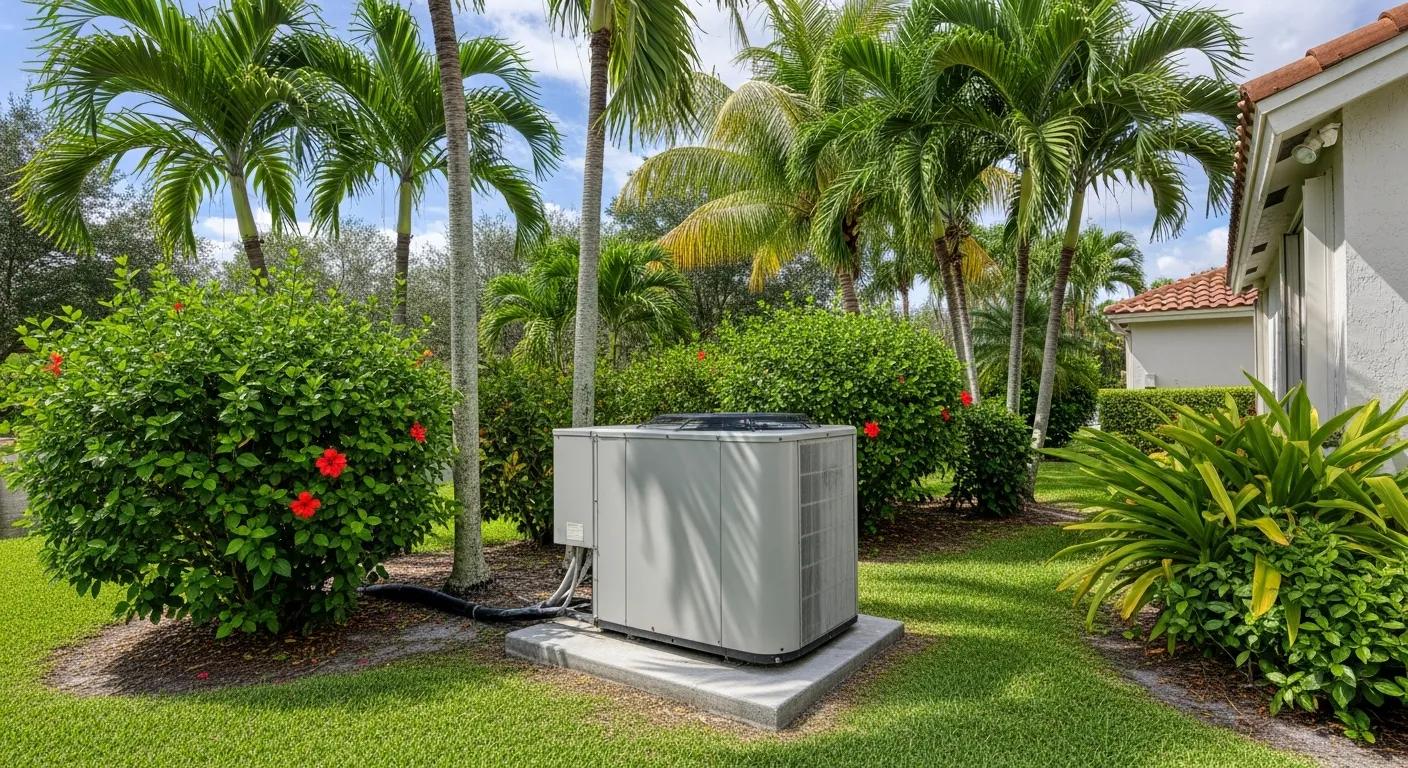
Pembroke Pines’ humidity, heavy cooling demands, and salty coastal air put extra stress on HVAC systems. That combination often leads to issues that raise energy bills and make indoor spaces uncomfortable. This guide explains the most common HVAC problems we see locally, why they happen, how to spot early warning signs — from clogged AC drains to possible refrigerant leaks — and which preventive steps give the best return on investment in South Florida.
It’s written to help you decide when a simple homeowner check is enough and when it’s time to call for expert HVAC‑R service or emergency assistance. You’ll learn how the local climate accelerates wear on condensate drains, coils, compressors, and electrical parts, safe DIY checks homeowners can do, and when to schedule licensed AC repair in Pembroke Pines. Each section lays out causes, detection tips, maintenance actions, IAQ upgrades for humidity control, emergency triage steps, and the value of professional maintenance and 24/7 support. Keywords included — hvac r service, HVAC maintenance plans Florida, emergency AC repair Pembroke Pines, refrigerant leak detection South Florida — keep this guide actionable and locally focused.
What Are the Most Common HVAC Problems in Pembroke Pines?
Most failures here come from three climate-driven stresses: moisture, long run-times, and corrosive salt air. The systems we service most often show clogged condensate drains, refrigerant leaks, dirty filters and coils, electrical faults, and compressor strain. Each of these cuts efficiency and raises the risk of breakdown during heat waves. Early warning signs — reduced airflow, strange noises, standing water, and rising energy bills — let you act before a small issue becomes a big repair. Knowing these failure modes helps homeowners prioritize simple upkeep and call targeted hvac r service when it matters, keeping comfort steady and equipment life longer.
Focus inspections on five key systems: airflow, refrigerant integrity, drainage, electrical connections, and compressor condition. The compact comparison below lets you scan causes and immediate risks so you can identify what to check and when to escalate.
This quick reference table links common problems to their usual causes and the immediate risks or signs to watch for, helping you triage issues faster and talk clearly with your technician when scheduling AC repair in Pembroke Pines.
| Problem | Typical Causes | Immediate Risks / Signs |
|---|---|---|
| Clogged condensate drain | Algae buildup, debris, skipped drain flushes | Water pooling, overflow switch trips, musty or moldy odors |
| Refrigerant leak | Corroded lines, vibration wear, poor installation | Poor cooling, hissing near lines, frost or ice on evaporator coil |
| Dirty filters / coils | Continuous run-time, high humidity, infrequent filter changes | Weak airflow, higher energy bills, uneven temperatures |
| Electrical failures | Loose terminals, corrosion, overloaded circuits | Tripped breakers, intermittent operation, burning smells |
| Compressor strain/failure | Low refrigerant, overheating, frequent short-cycling | Loud compressor noise, loss of cooling, costly repairs |
Use this table to match symptoms to likely causes — it speeds homeowner triage and makes service calls more efficient for both you and the technician.
How Do Clogged AC Drain Lines Affect Your System?
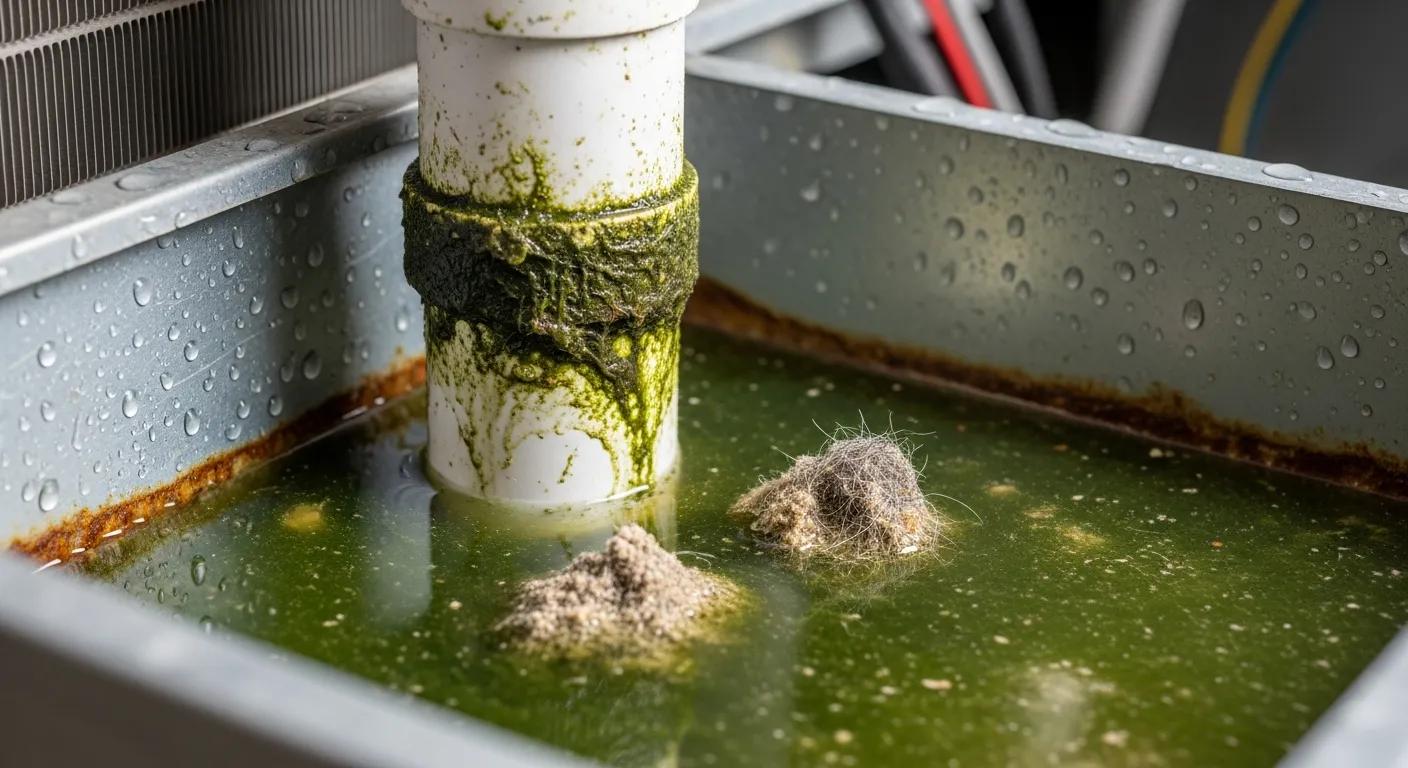
A blocked condensate drain stops the system from removing moisture, so water backs up into the pan and eventually trips overflow switches or leaks into your home. That trapped moisture raises indoor humidity and creates a breeding ground for mold and unpleasant odors — hurting indoor air quality and comfort. Homeowners can safely check the condensate pan for standing water and carefully flush the drain with a vinegar solution (do not disassemble components). If the pan keeps filling or the overflow switch trips repeatedly, call a licensed tech for a full clean and biocide treatment to stop recurrence and prevent water damage.
Routine drain care is one of the highest‑impact preventive items on any South Florida AC checklist — it prevents shutdowns, mold risk, and secondary structural problems.
What Are the Signs and Risks of Refrigerant Leaks in South Florida?
When refrigerant leaks, the system can’t move heat efficiently, so cooling drops and the compressor works harder — potentially causing compressor damage over time. Watch for weaker cooling, longer run cycles, hissing near refrigerant lines, or frost on the evaporator coil. Because refrigerant work is regulated and requires special tools, only licensed technicians should locate and repair leaks or recharge the system. Prompt professional leak detection and repair protect compressor life, restore efficiency, and limit environmental impact — which is why refrigerant leak detection in South Florida should be handled quickly and professionally.
Persistent drops in cooling or odd noises are clear signals to schedule professional hvac r service before small leaks become major replacements.
How Does Pembroke Pines’ Climate Impact HVAC Performance and Problems?
Pembroke Pines’ high humidity, regular hot temperatures, and nearby salt air increase condensate, speed corrosion, and boost the building cooling load. Those factors force systems to run longer and more often, wearing mechanical parts and electrical components faster and increasing the chance of drain clogs and coil fouling. The link between climate and failure is direct: humidity produces more condensate and microbes, heat increases run‑hours and compressor stress, and salt speeds corrosion on outdoor coils and electrical contacts. Addressing these local factors — more frequent maintenance, corrosion-resistant parts, and correct system sizing — reduces failures and improves efficiency.
Because of these local stressors, a single annual tune-up is often not enough in South Florida. Seasonal inspections and targeted IAQ upgrades are practical steps to counter humidity-related problems.
Why Does High Humidity Cause HVAC Failures?
High humidity means more condensate on the evaporator coil, which encourages algae and biofilm growth in the condensate pan and drain and leads to clogs and overflows. Humidity also forces the system to remove latent heat as well as sensible heat, lengthening run cycles and increasing mechanical and electrical wear. Over time, that extra runtime shortens component life and raises energy use — so humidity control is both an IAQ and efficiency priority here. Combine regular drain maintenance, humidity‑rated IAQ devices, and ventilation tweaks to lower condensate load and slow microbial growth.
Lowering indoor humidity protects your equipment, reduces mold risk, and makes your home more comfortable — it’s a win for both maintenance planning and IAQ.
How Does South Florida Heat Strain Air Conditioning Systems?
Extended high outdoor temperatures keep systems running near capacity, which raises compressor temperatures and electrical loads and increases the chance of short‑cycling if the unit is undersized. The result is higher currents, more thermal stress on motors and compressors, and faster wear. Proper sizing, routine refrigerant checks, and clean fans/coils keep heat transfer efficient and help prevent premature failures. Smart thermostats and staged systems can reduce cycling and improve resilience during heat spikes, lowering operating costs and the need for emergency repairs.
Tackling heat-related strain requires both equipment choices and operational strategies — which is why a Florida‑focused maintenance plan delivers measurable benefits.
How Can You Prevent Common HVAC Problems with Regular Maintenance?
Preventive maintenance is the best way to avoid most HVAC failures. It pairs professional inspections with homeowner tasks to keep airflow, refrigerant charge, drainage, and electrical connections in good shape. A pro tune‑up will check electrical terminations, measure refrigerant pressures, clean coils, and flush condensate drains; homeowners should swap filters regularly and keep outdoor units clear of debris. The payoff is lower energy use, fewer emergency repairs, and longer equipment life — making HVAC maintenance plans in Florida a smart investment. The table below maps common tasks to recommended frequency and expected benefit for Pembroke Pines conditions.
| Maintenance Task | Frequency | Benefit / Outcome |
|---|---|---|
| Replace air filters (MERV-8 to MERV-13 as appropriate) | Every 1–3 months | Restores airflow, improves IAQ, lowers energy use |
| Inspect and clean condensate drain | Every 6 months | Prevents clogs, avoids water damage and mold |
| Clean evaporator and condenser coils | Annually (or biannually in coastal areas) | Restores heat transfer, reduces runtime |
| Electrical inspection and torque checks | Annually | Prevents shorts, reduces fire and failure risk |
| Refrigerant pressure check and leak test | Annually | Ensures efficiency, protects compressor life |
Following these intervals helps catch problems early, keeps systems efficient, and lowers the chance you’ll need emergency AC repair in Pembroke Pines.
What Does Professional HVAC Maintenance Include in Pembroke Pines?
A typical professional visit here covers a multi‑point inspection: electrical checks, refrigerant level and leak detection, coil cleaning, blower and motor service, thermostat calibration, and condensate drain care. Technicians also evaluate IAQ and may recommend duct sealing or other upgrades if humidity or particle loads are high. Restoring proper airflow and refrigerant charge helps the system run closer to design efficiency, cutting runtime and the risk of component failure. For owners who want ongoing protection, maintenance contracts offer scheduled visits, priority response, and clearer service costs that match HVAC maintenance plans in Florida.
Frascona HVAC‑R can customize maintenance plans for local needs, giving consistent inspections and a dependable path to fewer emergencies and better performance through professional hvac r service and preventative care.
Which DIY HVAC Preventative Measures Help Avoid Breakdowns?
Simple, safe homeowner tasks include changing or cleaning filters monthly, keeping at least two feet of clearance around outdoor units, making sure supply vents aren’t blocked, and visually checking condensate pans for standing water. You can flush condensate lines with a mild vinegar solution if you do not open the unit — always turn power off before inspecting closely. Never attempt refrigerant work, electrical repairs, or compressor service; those require licensed technicians and specialty tools. These DIY steps reduce system stress and make professional visits more effective.
Routine homeowner care preserves day‑to‑day efficiency and lowers long‑term ownership and repair costs when paired with professional maintenance.
What Solutions Improve Indoor Air Quality and HVAC Efficiency in Pembroke Pines?

To improve IAQ and system efficiency in Pembroke Pines, consider better filtration, coil-focused UV‑C lights, whole‑house purifiers, duct sealing, and smart thermostat controls. Each solution addresses a different problem: filters trap particulates, UV reduces microbial growth on coils, duct sealing keeps conditioned air inside the system, and smart controls cut unnecessary cycles. These upgrades are especially valuable in humid climates where mold and allergens thrive and where duct leaks can dramatically increase energy use. Below are recommended IAQ and efficiency options tailored for South Florida homes and businesses, followed by a short comparison of their roles.
List introduction: the following upgrades help control particles and microbes in humid environments while reducing HVAC runtime and energy use.
- High-efficiency filters (MERV 8–13): Capture more particles while maintaining proper airflow when matched to your system.
- UV-C coil lights: Reduce microbial growth on coils, cutting mold odors and preserving heat transfer.
- Duct sealing and insulation: Stop conditioned air loss and limit humid outdoor air infiltration to improve comfort and efficiency.
Summary: Combining targeted filtration, UV, and ductwork improvements delivers stronger IAQ benefits and lowers runtime and operating costs.
How Do Air Purifiers and UV Lights Enhance Indoor Air Quality?
Whole‑house purifiers and true HEPA systems capture fine particulates that standard filters miss, while UV lights target microbes on coil surfaces and in drains to reduce mold spore release into your living spaces. Together they remove particles and inactivate biological growth, lowering allergen loads and preventing coil fouling that reduces efficiency. In humid climates, UV helps control biofilms that can accelerate drain clogs. A professional assessment ensures the right mix of filtration and UV so airflow isn’t impeded and equipment warranties remain intact.
Balancing filtration efficiency with fan capability matters — professional guidance ensures you get IAQ gains without sacrificing system performance.
Why Is Duct Sealing Important for HVAC Efficiency in Florida?
Leaky ducts can dump a large share of conditioned air into crawlspaces or attics, forcing your system to run longer and letting humid outdoor air in. Sealing ducts restores designed airflow, reduces cycle frequency, and eases wear on compressors and fans. Common problem spots include joints, plenums, and register connections; professional duct testing (pressure or blower‑door tests) uncovers losses that a visual check misses. The ROI from sealing includes lower energy bills, steadier comfort, and less HVAC strain — especially important in humid climates where leakage invites moisture into the system.
Because sealing is a trade‑off of labor and materials, pair it with a maintenance contract so sealing results are reviewed and retained over time.
When Should You Call for Emergency AC Repair Services in Pembroke Pines?
Call for emergency AC repair when a failure threatens safety, property, or health — common during South Florida heat waves when indoor temperatures can climb to dangerous levels. Immediate red flags include no cooling during extreme heat, burning electrical smells, visible arcing or sparks, major water leaks, and loud hissing or ice buildup from refrigerant issues. Basic homeowner triage: power down the system if you smell smoke or see sparks, stop water flow for major leaks if it’s safe, and use fans or temporary cooling while you wait for pros. Knowing when to escalate prevents secondary damage and protects occupants — and it sets clear expectations for on‑call technicians.
- No cooling during high-temperature events: Heat exposure puts vulnerable people at risk; call for immediate help.
- Burning smell or visible sparks: Electrical danger — shut the system off and call emergency service right away.
- Major water leak from the unit: Structural and mold damage risk — stop water if safe and call a technician.
Summary: These red flags require fast professional attention to limit health risks and property loss.
What Are the Most Common HVAC Emergencies in South Florida?
Typical emergencies include total system failure during heat waves, electrical faults that could start fires, large refrigerant leaks that cause freeze‑ups, and major condensate overflows that threaten structures. Safety first: evacuate or ventilate if there’s smoke, power down systems with electrical faults, and stop water where it’s safe to do so. Temporary measures like extra ventilation, portable dehumidifiers, or isolating electrical circuits can reduce immediate risk while you wait for help. Fast professional intervention minimizes long‑term damage and keeps repair costs lower than delayed responses.
Because these events affect both safety and comfort, having a clear emergency plan and a trusted service provider reduces downtime and stress.
How Does 24/7 Emergency Service Minimize HVAC Downtime?
Around‑the‑clock emergency service starts with phone triage to identify hazards, then moves to quick dispatch for temporary stabilization — whether that’s electrical isolation, a temporary condensate reroute, or supplemental cooling — until full repairs are scheduled. That staged approach prevents property damage, protects occupants, and documents issues for efficient follow‑up. Stabilizing a system quickly also preserves salvageable components and lowers repair complexity, shortening total downtime and cost. When emergency response is paired with regular maintenance, recurring failures drop and emergencies become less frequent.
Knowing what to expect during an emergency call helps homeowners act fast and work with technicians for the safest, fastest resolution; for emergency AC repair in Pembroke Pines, professional triage protects people and property.
What Are the Benefits of Choosing Frascona HVAC-R for HVAC Repair and Maintenance in Pembroke Pines?
Frascona HVAC‑R is a state‑certified HVAC‑R contractor based in Pembroke Pines, FL 33025. We provide residential and commercial hvac r service, 24/7 emergency response, maintenance contracts, and financing options. Our aim is straightforward: deliver expert HVAC‑R solutions and dependable customer care so clients know who to call for consultations, service, or urgent help.
Intro to table: the quick comparison below outlines common service options and the homeowner benefits to expect when choosing a professional provider.
| Service Option | Included Features | Typical Turnaround / Cost Signal |
|---|---|---|
| Basic Maintenance Visit | Filter check, coil inspection, condensate flush | Seasonal scheduling; lower one‑time cost |
| Maintenance Contract | Priority scheduling, scheduled tune‑ups, documented inspections | Annual plan with priority response and cost predictability |
| Emergency Response | 24/7 triage, temporary stabilization, on‑call technician | Rapid dispatch; pay‑per‑service or contract priority |
| Financing for Replacements | Payment plans for major repairs or replacements | Makes large capital projects more affordable |
Summary: These options give homeowners predictable outcomes — maintenance contracts lower emergency risk, emergency response limits downtime, and financing helps spread replacement costs when needed.
How Does Over 70 Years of Experience Improve HVAC Problem Resolution?
Decades of experience help our techs spot recurring failure patterns quickly, cut diagnostic time, and reduce repeat visits through informed repairs and correct parts choice. We understand local drivers — humidity, salt air, and heavy cooling loads — and recommend durable components and service intervals built for Pembroke Pines. That knowledge speeds troubleshooting, improves preventive advice, and lowers lifecycle costs for customers. Practically, it means faster return to comfort, fewer emergencies, and greater confidence that repairs will last.
Experience creates efficient workflows and higher first‑time fix rates, which minimizes disruption for homeowners and businesses alike.
What Financing and Service Options Does Frascona HVAC-R Offer?
Frascona HVAC‑R offers one‑time maintenance visits, full maintenance contracts with scheduled inspections and priority response, 24/7 emergency service, and financing plans to spread the cost of major repairs or replacements. These choices let customers match support level to budget and risk tolerance — maintenance contracts reduce long‑term repair frequency while emergency plans provide fast mitigation when problems occur. To find the right fit for your property, contact Frascona HVAC‑R to discuss custom maintenance plans, emergency enrollment, or financing options — all designed to make expert HVAC‑R service and reliable customer care accessible to Pembroke Pines clients.
For consultations, service requests, or emergency assistance, reach out to Frascona HVAC‑R by phone at (305) 417-9707 or by email at [email protected] to get started with a plan that fits your needs.
Frequently Asked Questions
What are the benefits of regular HVAC maintenance in Pembroke Pines?
Regular HVAC maintenance improves energy efficiency, extends equipment life, and enhances indoor air quality. Routine inspections catch small issues before they become costly repairs. Tasks like cleaning coils, checking refrigerant, and replacing filters keep your system running at peak performance, lower utility bills, and reduce the chance of emergency breakdowns — giving you peace of mind during South Florida’s hottest months.
How often should I change my HVAC filters?
In Pembroke Pines we recommend changing filters every 1 to 3 months, depending on use and filter type. Higher‑efficiency filters (MERV 8–13) trap more particles but should be matched to your system’s capacity. Households with pets, allergies, or dust may need more frequent changes. Regular filter changes improve air quality, lower energy use, and help your system last longer.
What should I do if my HVAC system is making unusual noises?
Grinding, squealing, or hissing noises often indicate mechanical wear, loose parts, or refrigerant issues. Turn off the system if you hear loud or alarming sounds, then call a licensed HVAC technician for an inspection. Addressing noises early prevents more serious damage and higher repair bills down the line.
How can I improve indoor air quality in my home?
Improve IAQ by upgrading to higher‑efficiency filters, adding whole‑house purifiers or HEPA systems, and installing UV‑C lights to reduce microbial growth. Regular HVAC cleaning and duct sealing cut down on dust and allergens, and controlling humidity with dehumidifiers helps prevent mold. These steps create a healthier home and help your HVAC system run more efficiently.
What are the signs that I need to call for emergency HVAC services?
If you experience a total loss of cooling during extreme heat, burning electrical smells, visible sparks, or major water leaks, call for emergency service immediately. Also seek urgent help for sudden, severe drops in cooling or loud abnormal noises. Power down the system if you suspect electrical danger and contact a qualified technician right away.
How does humidity affect HVAC performance in Pembroke Pines?
Humidity increases the system’s workload by creating more condensate, which can clog drains and reduce cooling efficiency. High humidity also raises mold risk and makes indoor spaces feel warmer. Regular maintenance, humidity control devices, and proper ventilation are effective strategies to keep HVAC systems running well in Pembroke Pines’ humid climate.
Conclusion
Knowing the common HVAC problems in Pembroke Pines helps you act before small issues become expensive failures. Watch for early signs like clogged drains or refrigerant loss, do the simple preventive tasks you’re comfortable with, and call professionals when repairs or regulated work are required. Regular maintenance and timely service keep systems efficient and homes healthy in South Florida’s demanding climate. For tailored solutions and dependable service, contact Frascona HVAC‑R today.